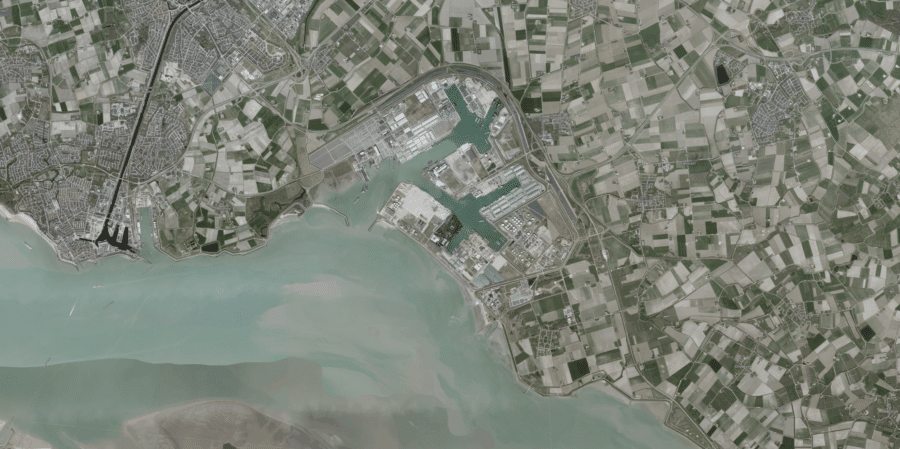
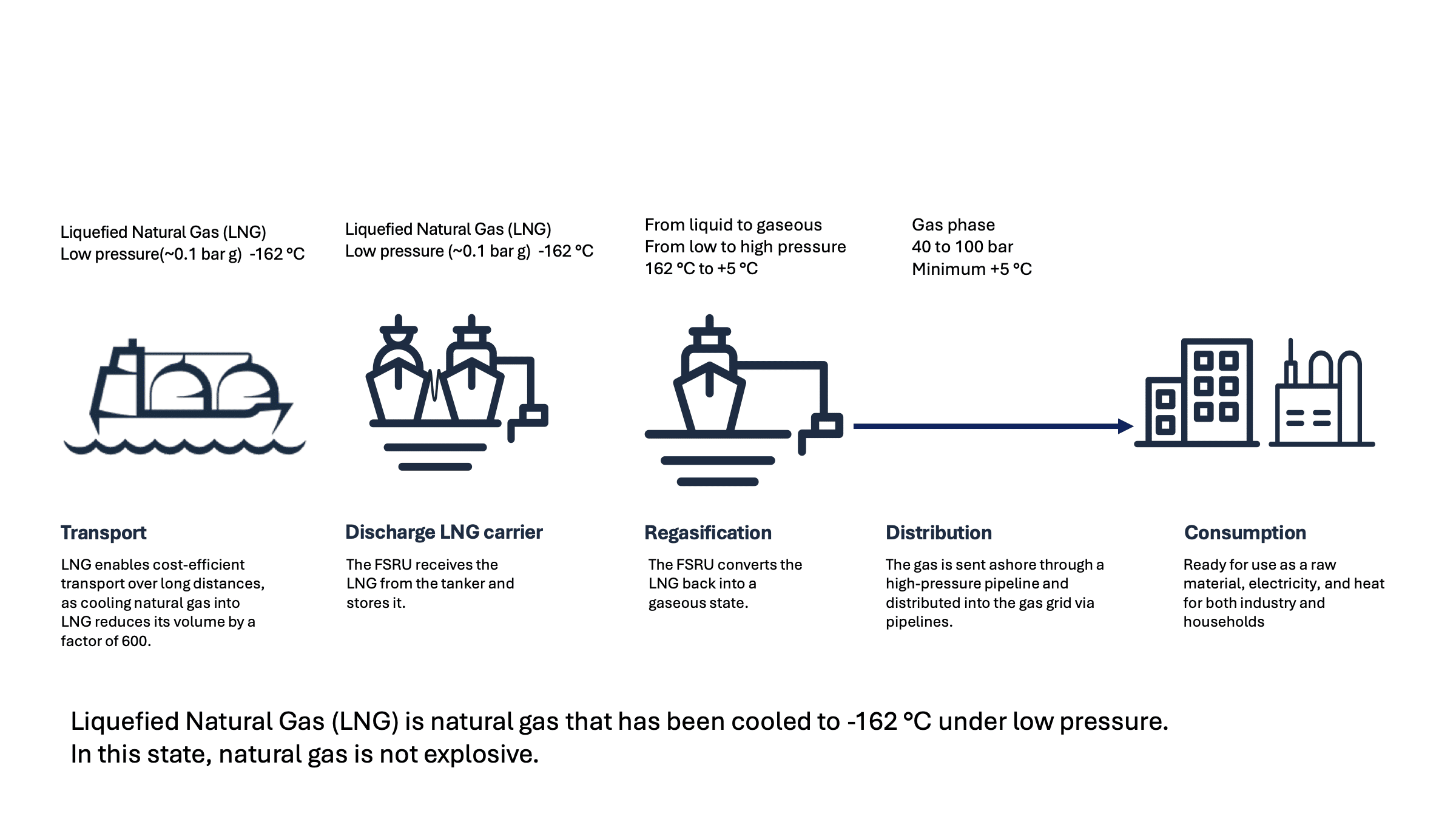
The Netherlands still requires natural gas, as the transition to sustainable energy takes time and natural gas complements renewables due to its flexibility to produce power. With increasing geopolitical tensions, the country has become more dependent on imported gas and in particular LNG. This new import terminal in Zeeland will receive and convert LNG into natural gas, helping to ensure a stable and affordable energy supply.
Currently, the Netherlands has two LNG import terminals – one at the Maasvlakte in Rotterdam and one in Eemshaven, Groningen – operated by different companies. Zeeland Energy Terminal will be the first privately operated LNG import terminal in the Netherlands. By developing a new LNG import terminal in the harbour of Vlissingen-Oost, Zeeland, VTTI and Höegh Evi aim to diversify energy supply methods, improve energy security and competition. This project meets today’s energy needs while laying groundwork for a sustainable energy future.
The government will take a project decision for this project. Within the procedure for a project decision, residents and businesses are involved in the process. Once approved, the terminal could become operational in Q4 2029.
The procedure consists of two phases:
There will be several opportunities for stakeholders and the public to provide input during the permitting process. The Ministry has published a notice of intent and a draft participation plan. Feedback can be submitted via the Ministry website.
The public can respond at the following times:
The goal of this process is to secure the Netherlands’ energy supply while considering environmental concerns and actively involving society in decision-making.
The participation plan explains how the initiators (VTTI and Höegh Evi) intend to involve stakeholders in the decision-making process for the construction of the new terminal. The goal is to gather input so that the project better aligns with the interests and concerns of residents and other stakeholders.
Everyone with an interest in the project, such as:
The construction and operation of the terminal will have an impact on the surrounding area. By participating, concerns and ideas can be incorporated into the plans, helping to ensure the project is carried out more carefully and effectively.
Powered by